
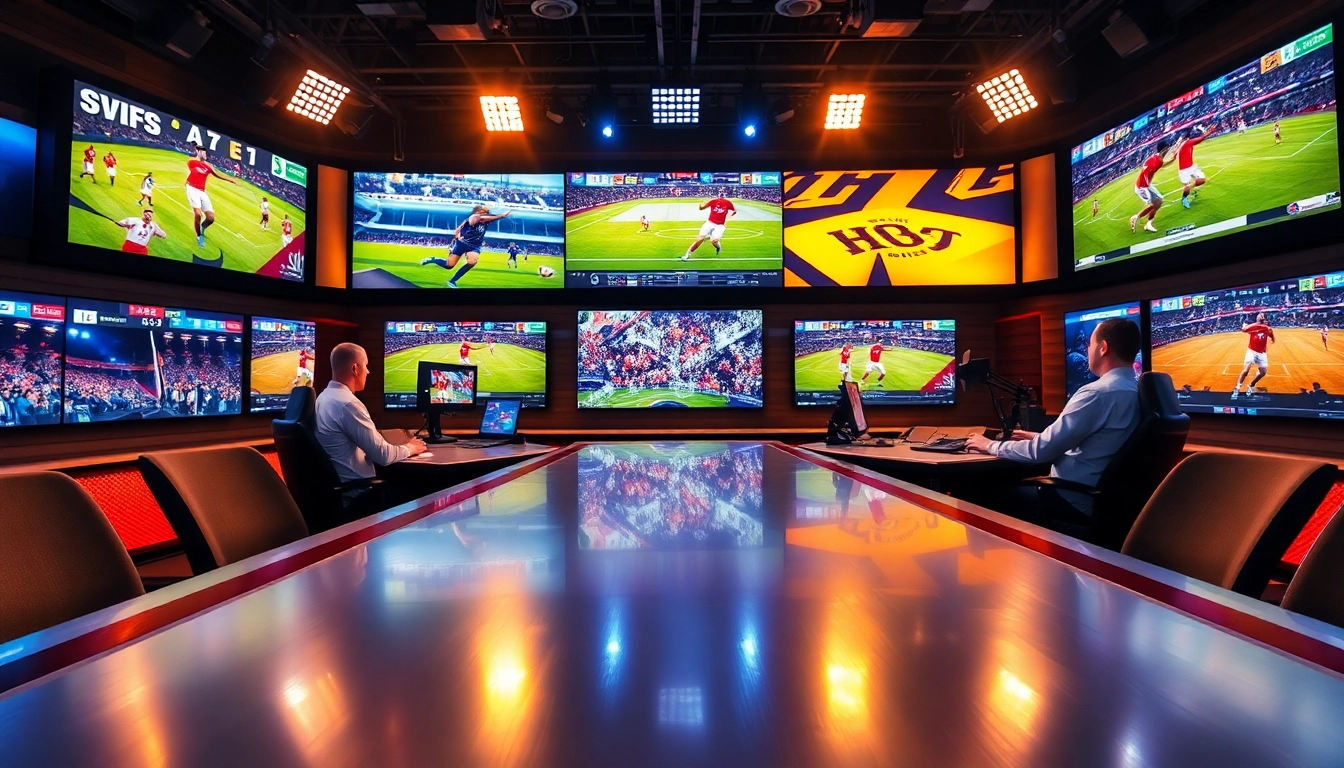
Understanding Sports Broadcasting
Definition and Importance of Sports Broadcasting
Sports broadcasting refers to the live presentation of athletic events through various mediums such as television, radio, and increasingly through Sports Broadcasting online platforms. This form of media plays a crucial role in connecting fans with their favorite sports, athletes, and teams. It provides real-time commentary, analysis, and highlights, which not only enhance the viewer experience but also help popularize different sporting events.
The importance of sports broadcasting extends beyond mere entertainment; it fosters community engagement and stimulates conversations around sports. Major events, such as the Super Bowl or the Olympics, showcase this phenomenon, as they capture large audiences and generate substantial advertising revenue, driving economic growth in the sports sector.
Historical Evolution of Sports Broadcasting
The journey of sports broadcasting began in the early 20th century with radio broadcasts of baseball games and gradually evolved into a multi-faceted industry. The first sports event aired on television was a college baseball game in 1939, marking the dawn of a new era.
As technology advanced, the 1950s brought about significant changes, including the introduction of color television. This innovation allowed viewers to experience sports more vividly. The subsequent decades saw the emergence of cable networks, which expanded the reach of sports broadcasting dramatically, introducing dedicated sports channels that provided round-the-clock coverage.
The introduction of satellite technology in the 1990s further revolutionized this industry, allowing broadcasters to offer live sports contents from around the globe, captivating audiences irrespective of geographical boundaries. Today, with the rise of digital streaming services, sports broadcasting faces another transformation, incorporating flexibility and accessibility in ways previously unimaginable.
Key Players in the Sports Broadcasting Landscape
The landscape of sports broadcasting is populated by various players, each contributing to the ecosystem. Broadcasters such as television networks, radio stations, and digital platforms all vie for viewership and advertising dollars. Major television networks often dominate the landscape; these giants negotiate lucrative contracts for exclusive broadcasting rights to significant events.
In addition to traditional networks, streaming platforms have emerged as powerful contenders in the sports broadcasting arena. They leverage technology to meet consumer demands for on-demand and mobile viewing experiences. Furthermore, leagues and teams themselves are becoming broadcasters, launching their own channels and platforms to deliver direct content to fans.
Furthermore, production companies and technology providers play a critical role in enhancing the quality of broadcasts, offering innovations such as high-definition video, enhanced audio, and interactive viewing experiences that engage audiences on multiple levels.
Technologies Shaping Sports Broadcasting
Evolution of Broadcasting Technology
The evolution of broadcasting technology has been pivotal in shaping how sports are consumed. From early radio broadcasts that relied solely on audio commentary to today’s ultra-high-definition visual experiences, technology has continuously transformed sports broadcasting.
One of the most notable advancements has been the transition from analog to digital broadcasting, which significantly improved picture and sound quality. Additionally, the advent of 4K and 8K resolution has enriched viewer experiences, providing stunning clarity during live events.
Moreover, technologies such as virtual and augmented reality are starting to creep into the sports broadcasting space, giving fans a more immersive experience that puts them right in the heart of the action. These innovations signal a future where viewers can enjoy unprecedented access and interaction with their favorite sports.
Role of Streaming Services in Sports Broadcasting
Streaming services have emerged as game-changers in the world of sports broadcasting. Platforms such as Amazon Prime Video, Netflix, and specific sports-focused services have begun securing broadcasting rights for major sports events, democratizing access to sporting content.
These services offer viewers flexibility—they can watch live broadcasts from anywhere, on any device, at their convenience. Another significant advantage is the ability to provide tailored content, such as highlights, interviews, and behind-the-scenes footage, catering to diverse audience interests.
Furthermore, the subscription model adopted by many of these platforms has fundamentally altered the revenue structure of sports broadcasting, with streaming subscriptions becoming a primary source of income alongside traditional advertising.
Innovations in Sports Broadcasting Equipment
The quality of sports broadcasts is heavily dependent on the equipment used to capture and present content. Innovations in broadcasting equipment are continuously being introduced, from sophisticated camera technology that can capture high-speed action in stunning detail to drones that provide unique aerial perspectives of the action.
Camera technology, such as high-speed cameras capable of thousands of frames per second, allows for slow-motion replays that enhance viewer understanding of critical moments during events. Additionally, advancements in audio technology ensure that the clarity and quality of commentary and crowd noise enrich the overall viewing experience.
Portable broadcasting equipment enables live coverage from remote locations, ensuring that no event is too far to reach. These innovations are ensuring that broadcasters can deliver immersive and engaging experiences that keep fans coming back for more.
Strategies for Effective Sports Broadcasting
Crafting Compelling Narratives in Sports Broadcasting
Compelling storytelling is at the heart of effective sports broadcasting. Successful broadcasters know how to weave narratives that resonate with audiences, creating an emotional connection that enhances viewer engagement. This could involve building up the history between rival teams, focusing on players' backstories, or capturing the journey of an underdog team looking to triumph.
In-depth analysis and expert commentary can add layers to these narratives, transforming a simple sports event into a story of determination, perseverance, and achievement. Striking the right balance between entertainment and analysis is crucial—viewers want not only to see the action but also to understand its significance within the wider context of the sport.
Engaging with the Audience during Sports Events
Active audience engagement is essential for keeping viewers invested in sports broadcasts. This goes beyond traditional commentary to include interactive elements such as live polls, audience questions, and social media integration. Broadcasters can leverage these tools to create a sense of community around sporting events.
Utilizing graphics and statistics in real-time can also enhance viewer understanding of plays and strategies being employed in the game. Providing insights into player statistics, team performance, and even predictive analytics can keep viewers informed and engaged, making crucial moments more impactful.
Utilizing Social Media for Enhanced Sports Broadcasting
Social media platforms serve as powerful vehicles for extending the reach of sports broadcasts. They enable broadcasters to engage with viewers directly, offer live commentary, share highlights, and even host discussions around ongoing events.
Moreover, social media creates additional channels for promoting upcoming broadcasts and generating buzz around events. Broadcasters can utilize influencer partnerships and fan-generated content to create organic promotion, enhancing their overall visibility in the crowded digital landscape.
Furthermore, platforms like Twitter provide a space for real-time engagement, allowing fans to express their thoughts and reactions while watching events unfold. This instant interaction is invaluable for building community and viewer loyalty.
Legalities and Ethics in Sports Broadcasting
Copyright and Content Licensing Issues
Understanding copyright and content licensing is critical in the world of sports broadcasting. Rights holders, including leagues and teams, frequently negotiate contracts with broadcasters that outline the parameters of usage, including exclusivity, duration, and territorial rights.
Broadcasters must adhere to these agreements, as unauthorized use of copyrighted content can lead to significant legal consequences. It is essential for broadcasters to navigate the complex landscape of licensing while detecting potential infringement risks before they escalate.
Ethical Considerations in Sports Broadcasting
Ethical practices within sports broadcasting are essential for maintaining credibility and trust with audiences. Issues such as fairness, transparency, and accuracy in reporting play a significant role in how content is received by the public.
Broadcasters should strive to present balanced coverage, avoiding undue bias towards teams or players, and ensure that commentary reflects respect for all participants. Responsible decision-making regarding sensitive topics, such as player injuries or personal issues, is also crucial for upholding ethical standards.
The Future of Fair Play in Sports Broadcasting
As the industry evolves, the importance of fair play in sports broadcasting cannot be overstated. With the rise of digital platforms and user-generated content, ensuring that all broadcasters operate within regulations and maintain ethical standards presents fresh challenges.
Emerging technologies should be used to combat potential biases and misinformation in broadcasting. Fostering an environment where accurate and balanced reporting prevails will cultivate trust among audiences and enhance the integrity of sports broadcasting as a whole.
Measuring Success in Sports Broadcasting
Key Metrics and KPIs for Sports Broadcasting
Measuring success in sports broadcasting involves analyzing various key performance indicators (KPIs). Viewer ratings provide a basic metric for understanding how many people tuned in to watch an event, while share-of-voice reports illustrate how much airtime teams and athletes receive.
Other significant metrics include audience demographics, which inform broadcasters about who is watching, engagement levels during broadcasts, and social media interactions, offering insights into audience sentiment and preferences. These metrics allow broadcasters to tailor their content and improve strategies effectively.
Analyzing Audience Engagement and Ratings
Analyzing audience engagement extends beyond viewership numbers. Factors such as the average watch time, interactions during broadcasts, and social media shares can reveal in-depth insights into audience preferences. Surveys and feedback mechanisms further provide qualitative data, helping broadcasters refine their content.
Implementing robust tracking mechanisms such as Nielsen ratings for television and analytical tools for digital platforms can facilitate comprehensive assessments of how well content resonates with its intended audience.
Continuous Improvement in Sports Broadcasting Practices
Continuous improvement is vital for maintaining relevance in the fast-paced world of sports broadcasting. Broadcasters should regularly evaluate and adapt their strategies based on performance metrics and audience feedback.
Staying informed about industry trends, new technologies, and changes in viewer behavior enables broadcasters to innovate their practices continually. This proactive approach can lead to enhanced viewer experiences, stronger audience loyalty, and improved market positioning.
FAQs
What is sports broadcasting?
Sports broadcasting involves the live transmission of sporting events through television, radio, or online platforms, providing commentary and analysis to enhance viewer experience.
How has technology changed sports broadcasting?
Advanced technologies, such as HD cameras, streaming services, and social media, have revolutionized sports broadcasting by enhancing quality, reach, and engagement with audiences.
What are the key strategies for effective sports broadcasting?
Successful sports broadcasting strategies include storytelling, audience engagement, leveraging social media, and ensuring timely updates to keep viewers connected and informed.
What legal issues should broadcasters be aware of?
Broadcasters must navigate copyright laws, licensing agreements, and ethical guidelines to prevent legal issues and ensure fair coverage of events.
How can audience engagement be measured in sports broadcasting?
Audience engagement can be assessed through viewership ratings, social media interactions, and feedback from surveys, which help determine the effectiveness of broadcasting strategies.